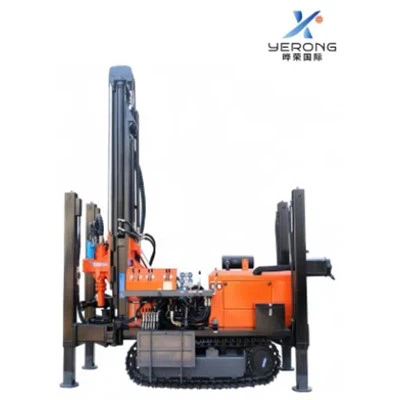
As a supplier of Full Hydraulic Core Drilling Machines, I've encountered a wide range of issues that operators face during the use of these machines. In this blog, I'll share some common problems and effective troubleshooting methods for full hydraulic core drilling machines.
1. Hydraulic System Problems
Low Hydraulic Pressure
One of the most common issues is low hydraulic pressure. This can be caused by several factors. Firstly, check the hydraulic oil level. If the oil level is too low, it can lead to insufficient pressure. Simply refill the hydraulic oil to the appropriate level as specified in the machine's manual.
Another possible cause is a clogged hydraulic filter. A dirty filter restricts the flow of hydraulic oil, reducing the pressure. Replace the filter regularly according to the maintenance schedule. If the problem persists after replacing the filter, there may be a problem with the hydraulic pump. The pump could be worn out or damaged, resulting in reduced pressure output. In this case, it's advisable to contact a professional technician to inspect and repair or replace the pump.
Leaking Hydraulic Fluid
Leaking hydraulic fluid is not only a waste of resources but also a safety hazard. Inspect the hydraulic hoses and connections for any signs of leakage. Look for wet spots, drips, or puddles of hydraulic fluid around the hoses and fittings. If you find a leak in a hose, it's best to replace the hose immediately. Make sure to use hoses that are compatible with the machine's hydraulic system.
For leaks at the connections, check if the fittings are tightened properly. Sometimes, a loose fitting can cause fluid to seep out. Use a wrench to tighten the fittings, but be careful not to over - tighten as this can damage the fittings. If the leak persists, there may be a problem with the seals. Replace the seals with new ones of the correct size and type.
2. Drilling Tool and Bit Problems
Bit Wear and Damage
The drilling bit is a critical component of the core drilling machine. Over time, the bit will wear out due to the high - pressure and abrasive nature of the drilling process. Signs of bit wear include reduced drilling speed, poor core quality, and increased vibration. When you notice these signs, it's time to replace the bit.


Before replacing the bit, make sure to select the right type of bit for the specific drilling material. Different materials, such as rock, concrete, or soil, require different types of bits. For example, a diamond - tipped bit is suitable for hard rock drilling, while a carbide - tipped bit may be more appropriate for softer materials.
Tool Jamming
Tool jamming can occur when the drilling tool gets stuck in the hole. This can be caused by several factors, such as hard rock formations, improper drilling parameters, or debris in the hole. To troubleshoot tool jamming, first, stop the drilling operation immediately to prevent further damage.
Try to reverse the rotation of the drilling tool to see if it can be loosened. If this doesn't work, flush the hole with water or drilling fluid to remove any debris that may be causing the jam. You can also use a special tool, such as a drill rod extractor, to try and remove the stuck tool. If all else fails, it may be necessary to break the hole around the tool carefully to free it.
3. Power System Problems
Engine Starting Issues
If the engine of the full hydraulic core drilling machine fails to start, there are several possible causes. First, check the fuel level. Make sure there is enough fuel in the tank. If the fuel level is low, refill the tank.
Next, check the battery. A dead or weak battery can prevent the engine from starting. Inspect the battery terminals for corrosion. If there is corrosion, clean the terminals with a wire brush and apply a thin layer of petroleum jelly to prevent future corrosion. If the battery is old or damaged, replace it with a new one.
Also, check the ignition system. Look for loose or damaged wires, spark plugs, or ignition coils. Replace any faulty components as needed. If the engine still doesn't start after these checks, there may be a problem with the fuel injection system or the engine's internal components. In this case, it's recommended to seek the help of a professional mechanic.
Overheating Engine
An overheating engine can cause serious damage to the machine. Check the coolant level in the radiator. If the coolant level is low, refill it with the appropriate coolant. Make sure to follow the manufacturer's recommendations for the type of coolant to use.
Inspect the radiator for any blockages. Debris, dirt, or leaves can accumulate on the radiator fins, reducing its cooling efficiency. Use a soft brush or compressed air to clean the radiator fins. Also, check the water pump to ensure it is functioning properly. A faulty water pump may not be able to circulate the coolant effectively, leading to overheating.
4. Control System Problems
Malfunctioning Control Panel
The control panel is used to operate and monitor the core drilling machine. If the control panel malfunctions, it can be difficult to operate the machine properly. First, check the power supply to the control panel. Make sure the electrical connections are secure and that there is power reaching the panel.
If the control panel displays error messages, refer to the machine's manual to understand what the messages mean. Some error messages may indicate a simple problem, such as a loose sensor connection, while others may require more in - depth troubleshooting. If you're unable to resolve the problem based on the error messages, contact the machine's manufacturer or a professional technician for assistance.
Unresponsive Controls
If the controls on the panel are unresponsive, check the wiring connections between the control panel and the machine's components. Loose or damaged wires can prevent the control signals from reaching the appropriate components. Inspect the wires for any signs of damage, such as cuts or frays. Replace any damaged wires.
It's also possible that the control switches or buttons are worn out or damaged. Test the switches and buttons by pressing them multiple times. If a switch or button is not working, replace it with a new one.
In conclusion, troubleshooting common problems of a full hydraulic core drilling machine requires a systematic approach. By following the steps outlined above, operators can identify and resolve many of the issues that may arise during the operation of the machine. However, if you encounter problems that you're not confident in solving, don't hesitate to seek professional help.
If you're in the market for a high - quality full hydraulic core drilling machine, we offer a wide range of products, including the Deep Hole Core Drilling Rig, Highly Efficient Full Hydraulic Core Drilling Rig, and Full Hydraulic Core Drilling Machine. Our machines are designed with advanced technology and high - quality components to ensure reliable performance and long - term durability. If you have any questions or would like to discuss your specific requirements, feel free to contact us for a procurement consultation.
References
- Manufacturer's manuals of full hydraulic core drilling machines
- Industry - standard hydraulic system maintenance guides
- Technical papers on drilling tool design and maintenance