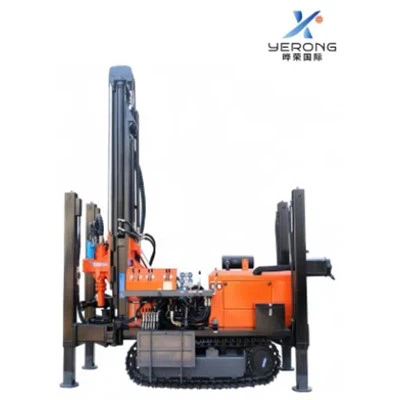
Core drilling rigs are essential tools in various industries, including mining, construction, and geological exploration. These machines are designed to extract cylindrical samples of rock or soil from the ground, providing valuable information about the subsurface. As a core drilling rig supplier, I understand the importance of these machines in our clients' operations. However, it's also crucial to recognize the environmental impacts associated with their use. In this blog post, I'll delve into the environmental effects of using a core drilling rig and discuss how we can mitigate these impacts.
Noise Pollution
One of the most immediate environmental impacts of using a core drilling rig is noise pollution. Drilling operations can generate high levels of noise, which can disrupt local wildlife and communities. The noise from the rig can interfere with the communication and behavior of animals, leading to stress and reduced reproductive success. In addition, excessive noise can be a nuisance to nearby residents, affecting their quality of life.
To mitigate the impact of noise pollution, we offer rigs equipped with noise reduction technology. Our Highly Efficient Full Hydraulic Core Drilling Rig is designed with advanced sound insulation materials and mufflers to minimize noise emissions. We also recommend conducting drilling operations during less sensitive hours to reduce the impact on wildlife and communities.
Air Pollution
Core drilling rigs typically run on diesel engines, which emit pollutants such as particulate matter, nitrogen oxides, and carbon monoxide. These pollutants can have a significant impact on air quality, contributing to smog, acid rain, and respiratory problems. In addition, the drilling process itself can generate dust, which can further degrade air quality.


To address air pollution, we are committed to providing rigs with low-emission engines. Our RC Drilling Rig is equipped with a state-of-the-art engine that meets strict environmental standards, reducing emissions and minimizing the impact on air quality. We also recommend using dust suppression systems during drilling operations to control the release of dust into the air.
Water Pollution
Drilling operations can also have an impact on water quality. The drilling process often involves the use of drilling fluids, which can contain chemicals and heavy metals. If these fluids are not properly managed, they can contaminate groundwater and surface water, posing a risk to human health and the environment.
To prevent water pollution, we provide rigs with advanced fluid management systems. Our Lightweight Core Drilling Rig is designed with a closed-loop fluid system that recirculates drilling fluids, reducing the amount of waste and minimizing the risk of contamination. We also recommend conducting regular water quality tests to ensure that drilling operations are not having a negative impact on local water sources.
Land Disturbance
Core drilling rigs require a significant amount of space to operate, which can lead to land disturbance. The installation of the rig and the associated equipment can damage vegetation, disrupt soil structure, and cause erosion. In addition, the disposal of drilling waste can also have an impact on the land.
To minimize land disturbance, we recommend conducting a thorough site assessment before starting drilling operations. This assessment should identify any sensitive areas, such as wetlands or endangered species habitats, and develop a plan to avoid or minimize the impact on these areas. We also offer rigs that are designed to be more compact and lightweight, reducing the footprint of the drilling operation.
Biodiversity Loss
The environmental impacts of core drilling rigs can also extend to biodiversity loss. The disturbance of natural habitats can displace wildlife, leading to a decline in species populations. In addition, the pollution and habitat destruction associated with drilling operations can have a long-term impact on the ecosystem.
To protect biodiversity, we recommend implementing measures to minimize the impact of drilling operations on natural habitats. This can include restoring disturbed areas after drilling is completed, creating wildlife corridors, and protecting sensitive areas. We also encourage our clients to work with local conservation organizations to develop sustainable drilling practices that minimize the impact on biodiversity.
Mitigating the Environmental Impact
As a core drilling rig supplier, we are committed to providing our clients with environmentally friendly solutions. We offer a range of rigs that are designed to minimize the environmental impact of drilling operations, including low-emission engines, noise reduction technology, and advanced fluid management systems. In addition, we provide our clients with training and support to help them implement sustainable drilling practices.
We also encourage our clients to consider the environmental impact of their drilling operations when making purchasing decisions. By choosing a rig that is designed to be more environmentally friendly, they can reduce their carbon footprint and minimize the impact on the environment.
Conclusion
The use of core drilling rigs can have a significant impact on the environment, including noise pollution, air pollution, water pollution, land disturbance, and biodiversity loss. However, by implementing sustainable drilling practices and using environmentally friendly rigs, we can minimize these impacts and protect the environment for future generations.
If you're in the market for a core drilling rig, we invite you to contact us to discuss your needs. Our team of experts can help you choose the right rig for your project and provide you with the support and training you need to implement sustainable drilling practices. Together, we can make a difference in protecting the environment.
References
- American Petroleum Institute. (2019). Environmental Guidelines for Oil and Gas Exploration and Production.
- United States Environmental Protection Agency. (2020). Air Quality Standards and Emissions Limits.
- World Wildlife Fund. (2021). Biodiversity Conservation and Sustainable Development.