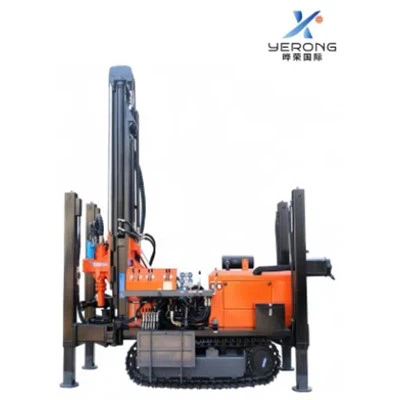
As a supplier of Separated Type Down-the-hole Drills, I often encounter inquiries regarding the weight of these powerful machines. Understanding the weight of a Separated Type Down-the-hole Drill is crucial for various reasons, including transportation, installation, and overall operational efficiency. In this blog post, I will delve into the factors that influence the weight of these drills, provide some general weight ranges, and discuss the implications of weight on different aspects of drilling operations.


Factors Influencing the Weight of Separated Type Down-the-hole Drills
The weight of a Separated Type Down-the-hole Drill can vary significantly depending on several key factors. These factors include the size and capacity of the drill, the materials used in its construction, and the additional features and accessories it is equipped with.
Size and Capacity
One of the primary factors influencing the weight of a Separated Type Down-the-hole Drill is its size and capacity. Larger drills with higher drilling depths and larger bore diameters typically weigh more than smaller, less powerful models. This is because they require more robust components and a larger frame to support the increased drilling forces and accommodate the larger drill bits.
For example, a small, portable Separated Type Down-the-hole Drill designed for light-duty applications may weigh as little as a few hundred kilograms. On the other hand, a large, industrial-grade drill used for deep-hole drilling in mining or construction projects can weigh several tons.
Materials Used in Construction
The materials used in the construction of a Separated Type Down-the-hole Drill also play a significant role in determining its weight. Drills made from high-strength steel or other heavy-duty materials will generally weigh more than those made from lighter materials such as aluminum or composite materials.
While heavier materials may provide greater durability and strength, they can also increase the overall weight of the drill, making it more difficult to transport and maneuver. Manufacturers often strive to strike a balance between using materials that provide the necessary strength and durability while keeping the weight of the drill within acceptable limits.
Additional Features and Accessories
The weight of a Separated Type Down-the-hole Drill can also be influenced by the additional features and accessories it is equipped with. For example, drills with advanced control systems, automated drilling functions, or built-in dust collection systems may weigh more than basic models without these features.
Similarly, drills that are designed to be used with larger or more specialized drill bits may require a heavier frame and more powerful components to support the increased drilling forces, resulting in a higher overall weight.
General Weight Ranges of Separated Type Down-the-hole Drills
While the weight of a Separated Type Down-the-hole Drill can vary widely depending on the factors mentioned above, there are some general weight ranges that can provide a rough estimate.
Light-Duty Drills
Light-duty Separated Type Down-the-hole Drills, typically used for small-scale construction projects, landscaping, or agricultural applications, generally weigh between 200 and 500 kilograms. These drills are often portable and can be easily transported to different job sites using a small truck or trailer.
Medium-Duty Drills
Medium-duty Separated Type Down-the-hole Drills, suitable for medium-sized construction projects, water well drilling, or geothermal exploration, typically weigh between 500 and 2,000 kilograms. These drills are more powerful than light-duty models and may require a larger vehicle or specialized equipment for transportation.
Heavy-Duty Drills
Heavy-duty Separated Type Down-the-hole Drills, used for large-scale mining, quarrying, or deep-hole drilling projects, can weigh anywhere from 2,000 to 10,000 kilograms or more. These drills are designed to handle the most demanding drilling applications and often require specialized transportation and installation equipment.
Implications of Weight on Drilling Operations
The weight of a Separated Type Down-the-hole Drill can have several implications for drilling operations, including transportation, installation, and overall performance.
Transportation
The weight of a drill is a critical factor to consider when planning for transportation. Heavier drills may require specialized transportation equipment, such as flatbed trucks or trailers, and may also be subject to weight restrictions on certain roads or bridges.
In addition, the weight of the drill can affect the fuel consumption and handling of the transportation vehicle. Heavier drills may require more powerful engines and larger tires to ensure safe and efficient transportation.
Installation
The weight of a Separated Type Down-the-hole Drill can also impact the installation process. Heavier drills may require more manpower and specialized equipment to lift and position them on the drilling site.
In some cases, the weight of the drill may also require the construction of a solid foundation or support structure to ensure stability during drilling operations. This can add to the overall cost and time required for installation.
Performance
While a heavier drill may provide greater stability and drilling force, it can also have some negative impacts on performance. For example, a heavier drill may be more difficult to maneuver in tight spaces or on uneven terrain, which can limit its effectiveness in certain applications.
In addition, the weight of the drill can affect the rate of penetration and the overall drilling efficiency. A heavier drill may require more power to operate, resulting in higher fuel consumption and increased operating costs.
Conclusion
In conclusion, the weight of a Separated Type Down-the-hole Drill is an important factor to consider when selecting a drill for your specific application. By understanding the factors that influence the weight of these drills and the implications of weight on drilling operations, you can make an informed decision and choose a drill that meets your needs and requirements.
If you are in the market for a Separated Type Down-the-hole Drill, I encourage you to explore our range of products, including Multipurpose Separated Surface Down-the-Hole Drilling, Separated Type Down-the-hole Drill, and High Torque Separated Down-the-Hole Drilling. Our drills are designed to provide superior performance, reliability, and durability, and we offer a range of models to suit different applications and budgets.
If you have any questions or would like to discuss your specific requirements, please do not hesitate to contact us. We look forward to helping you find the perfect Separated Type Down-the-hole Drill for your project.
References
- Drilling Equipment Handbook, various editions
- Industry reports on down-the-hole drilling technology
- Manufacturer specifications for Separated Type Down-the-hole Drills