

Hey there! As a supplier of Deep Hole Core Drilling Rigs, I often get asked about the noise level of these machines during operation. It's a crucial aspect, especially for those working in noise - sensitive areas or looking to keep a comfortable working environment. So, let's dive right into it.
Understanding the Basics of Deep Hole Core Drilling Rigs
First off, what exactly is a Deep Hole Core Drilling Rig? Well, it's a powerful piece of equipment designed to drill deep holes in various types of rock and soil. These rigs are used in a wide range of industries, including mining, construction, and geotechnical exploration. You can check out more details about our Deep Hole Core Drilling Rig on our website.
The drilling process involves a lot of moving parts. There's the rotation of the drill bit, the hydraulic systems that power the rig, and the movement of the drill string. All these elements contribute to the overall noise produced during operation.
Factors Affecting the Noise Level
Drill Bit and Rock Interaction
The type of drill bit and the nature of the rock being drilled play a huge role in noise generation. When the drill bit grinds against hard rock, it creates a high - pitched screeching or grinding noise. Softer rocks might produce a more dull, thudding sound. For instance, if you're drilling through granite, which is extremely hard, the noise level is likely to be higher compared to drilling through sandstone.
Hydraulic System
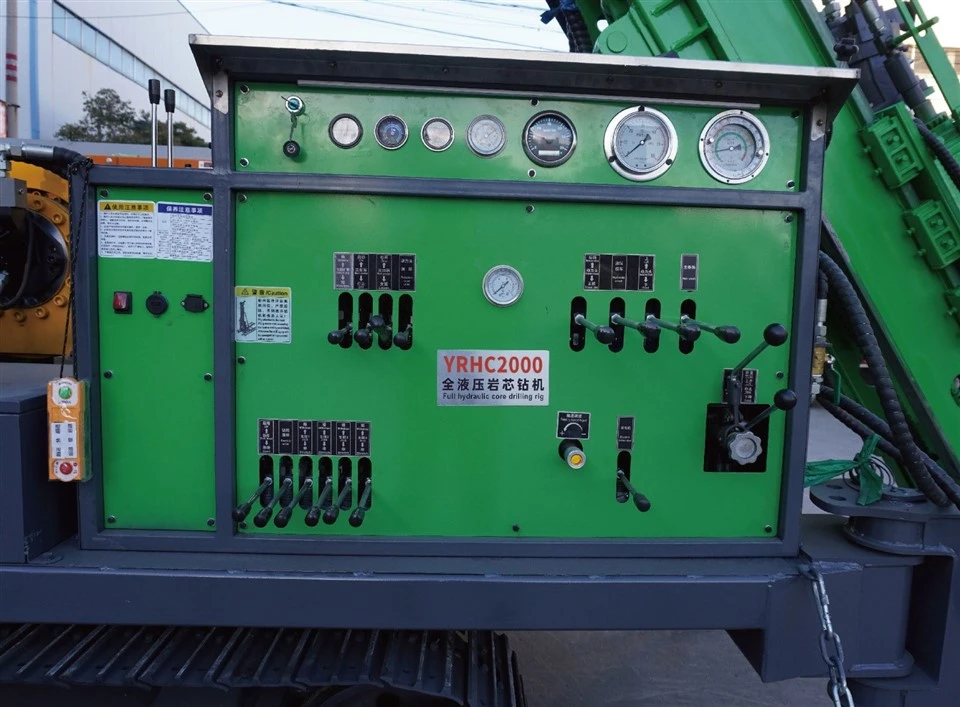
Our Full Hydraulic Core Drilling Machine uses a hydraulic system to power its operations. Hydraulic pumps, valves, and hoses can generate noise as the fluid moves through them. The pressure and flow rate of the hydraulic fluid also impact the noise level. Higher pressures usually mean more noise.
Rig Design and Maintenance
A well - designed rig with proper sound - dampening features can significantly reduce noise. For example, if the rig has insulated panels around the engine and hydraulic components, it can absorb some of the sound. Regular maintenance is also key. Loose parts, worn - out bearings, or leaks in the hydraulic system can all increase the noise level. A poorly maintained rig might sound like a noisy junkyard in operation.
Measuring the Noise Level
To get an accurate idea of the noise level of a Deep Hole Core Drilling Rig, we use a sound level meter. The unit of measurement is decibels (dB). In general, the noise level of a drilling rig can range from around 80 dB to 110 dB or even higher, depending on the factors mentioned above.
An 80 dB noise level is comparable to the noise of a busy city street. At this level, it's still possible to have a conversation, but you'll need to raise your voice a bit. On the other hand, a noise level of 110 dB is extremely loud, similar to the noise of a rock concert. Prolonged exposure to such high noise levels can cause hearing damage.
Noise Reduction Strategies
Operator Training
Proper operator training can go a long way in reducing noise. An experienced operator knows how to adjust the drilling parameters, such as the rotation speed and feed rate, to minimize noise. For example, a slower rotation speed might reduce the noise generated by the drill bit - rock interaction.
Equipment Upgrades
We're constantly working on improving our rigs. Our New Full Hydraulic Core Drilling Rig comes with advanced noise - reduction features. These include better - insulated cabins for the operator, quieter hydraulic components, and improved drill bit designs.
Site Planning
When setting up a drilling site, it's important to consider the surrounding environment. Placing the rig away from noise - sensitive areas, such as residential neighborhoods or hospitals, can help reduce the impact of the noise. Using barriers or enclosures around the rig can also block some of the sound.
The Importance of Noise Control
Noise control isn't just about being a good neighbor. It also has significant implications for the health and safety of the operators. As I mentioned earlier, prolonged exposure to high noise levels can lead to hearing loss. In addition, excessive noise can cause stress, fatigue, and reduced concentration, which can increase the risk of accidents on the job.

How Our Rigs Compare
At our company, we take noise control seriously. Our Deep Hole Core Drilling Rigs are designed to be as quiet as possible without sacrificing performance. We've invested a lot of time and resources in research and development to come up with innovative solutions for noise reduction.
Compared to some of our competitors, our rigs generally produce less noise. This is thanks to our advanced hydraulic systems, high - quality drill bits, and effective sound - dampening materials.
Conclusion
So, there you have it. The noise level of a Deep Hole Core Drilling Rig during operation is influenced by a variety of factors, including the drill bit - rock interaction, the hydraulic system, and the rig design. But with the right strategies, such as operator training, equipment upgrades, and site planning, we can keep the noise under control.
If you're in the market for a Deep Hole Core Drilling Rig and are concerned about noise levels, don't hesitate to reach out to us. We'd be more than happy to discuss your specific needs and show you how our rigs can meet them. Whether you're working in a noise - sensitive area or just want a more comfortable working environment, we've got you covered.
References
- OSHA (Occupational Safety and Health Administration) guidelines on noise exposure in the workplace.
- Industry reports on the latest advancements in drilling rig technology and noise reduction.


