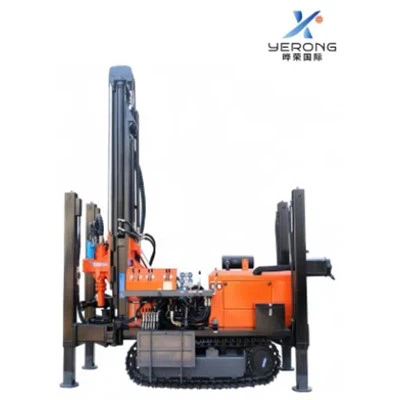
Corrosion is a significant concern for deep hole core drilling rigs, as it can lead to reduced performance, increased maintenance costs, and even safety hazards. As a supplier of Deep Hole Core Drilling Rig, I understand the importance of preventing corrosion to ensure the longevity and efficiency of these valuable machines. In this blog post, I will share some effective strategies and best practices to help you prevent corrosion in your deep hole core drilling rig.
Understanding Corrosion in Deep Hole Core Drilling Rigs
Before we delve into the prevention methods, it's essential to understand what causes corrosion in deep hole core drilling rigs. Corrosion is a natural process that occurs when metal reacts with its environment, typically oxygen and moisture. In the context of drilling rigs, several factors can contribute to corrosion:
- Exposure to Moisture: Drilling operations often take place in wet or humid environments, such as mines, water wells, or construction sites near bodies of water. Moisture can accelerate the corrosion process, especially if the rig is not properly protected.
- Contact with Chemicals: Drilling fluids, lubricants, and other chemicals used in the drilling process can contain corrosive substances. These chemicals can come into contact with the rig's metal components, leading to corrosion over time.
- Abrasion and Wear: The constant movement and friction of drilling components can cause abrasion and wear, which can expose the underlying metal to the environment and increase the risk of corrosion.
- Poor Maintenance: Neglecting regular maintenance, such as cleaning, lubrication, and inspection, can allow dirt, debris, and moisture to accumulate on the rig, promoting corrosion.
Preventive Measures
Now that we understand the causes of corrosion, let's explore some effective preventive measures that you can implement to protect your deep hole core drilling rig:
1. Material Selection
- Choose Corrosion-Resistant Materials: When selecting a deep hole core drilling rig, opt for models that are made from corrosion-resistant materials. Stainless steel, aluminum, and certain alloys are known for their excellent corrosion resistance. These materials can withstand harsh environments and reduce the risk of corrosion.
- Apply Protective Coatings: In addition to using corrosion-resistant materials, consider applying protective coatings to the rig's metal components. Paint, powder coating, and galvanizing are common methods of protecting metal surfaces from corrosion. These coatings act as a barrier between the metal and the environment, preventing moisture and oxygen from reaching the surface.
2. Proper Storage
- Store in a Dry Environment: When the rig is not in use, store it in a dry, covered area. This will protect it from exposure to moisture, rain, and snow. If possible, use a climate-controlled storage facility to maintain a consistent temperature and humidity level.
- Elevate the Rig: To prevent moisture from accumulating under the rig, elevate it off the ground using blocks or stands. This will allow air to circulate underneath the rig and reduce the risk of corrosion.
3. Regular Cleaning and Maintenance
- Clean the Rig Regularly: After each drilling operation, clean the rig thoroughly to remove dirt, debris, and drilling fluids. Use a high-pressure water hose or a cleaning solution specifically designed for drilling rigs. Pay special attention to areas that are prone to corrosion, such as the drill pipe, drill bit, and hydraulic cylinders.
- Lubricate Moving Parts: Proper lubrication is essential for reducing friction and wear, as well as preventing corrosion. Apply lubricant to all moving parts, such as bearings, joints, and gears, according to the manufacturer's recommendations.
- Inspect the Rig Regularly: Conduct regular inspections of the rig to identify any signs of corrosion or damage. Look for rust, pitting, or discoloration on the metal surfaces. Check the integrity of the protective coatings and repair any damage immediately.
4. Use Corrosion Inhibitors
- Add Corrosion Inhibitors to Drilling Fluids: Drilling fluids play a crucial role in the drilling process, but they can also contribute to corrosion. To prevent this, add corrosion inhibitors to the drilling fluids. These inhibitors can form a protective film on the metal surfaces, preventing corrosion.
- Apply Corrosion Inhibitors to Metal Components: In addition to using corrosion inhibitors in the drilling fluids, you can also apply them directly to the rig's metal components. There are various types of corrosion inhibitors available, such as sprays, gels, and paints. Follow the manufacturer's instructions for proper application.
5. Monitor and Control the Environment
- Monitor Humidity and Temperature: Use a hygrometer and a thermometer to monitor the humidity and temperature levels in the drilling environment. High humidity and temperature can accelerate the corrosion process. If necessary, use dehumidifiers or air conditioners to control the environment.
- Avoid Contact with Corrosive Substances: Minimize the rig's contact with corrosive substances, such as acids, alkalis, and salts. If the rig comes into contact with these substances, rinse it thoroughly with water as soon as possible.
The Role of Technology
Advancements in technology have also contributed to the prevention of corrosion in deep hole core drilling rigs. Here are some technological solutions that you can consider:


- Corrosion Monitoring Systems: These systems use sensors to monitor the corrosion rate of the rig's metal components in real-time. They can provide early warnings of corrosion, allowing you to take preventive measures before significant damage occurs.
- Remote Monitoring and Control: Many modern drilling rigs are equipped with remote monitoring and control systems. These systems allow you to monitor the rig's performance, including corrosion levels, from a remote location. You can also use these systems to adjust the rig's settings and perform maintenance tasks without being physically present at the site.
Conclusion
Preventing corrosion in a deep hole core drilling rig is essential for ensuring its longevity, performance, and safety. By implementing the preventive measures outlined in this blog post, you can protect your rig from the damaging effects of corrosion and reduce maintenance costs. Remember to choose corrosion-resistant materials, store the rig in a dry environment, perform regular cleaning and maintenance, use corrosion inhibitors, and monitor the environment. If you have any questions or need further assistance, please feel free to contact us. We are a leading supplier of Full Hydraulic Core Drilling Machine and New Full Hydraulic Core Drilling Rig, and we are committed to providing high-quality products and excellent customer service.
References
- Fontana, M. G. (1986). Corrosion Engineering. McGraw-Hill.
- Uhlig, H. H., & Revie, R. W. (1985). Corrosion and Corrosion Control. Wiley.
- ASTM International. (2021). Standards Related to Corrosion Testing and Evaluation. ASTM International.