

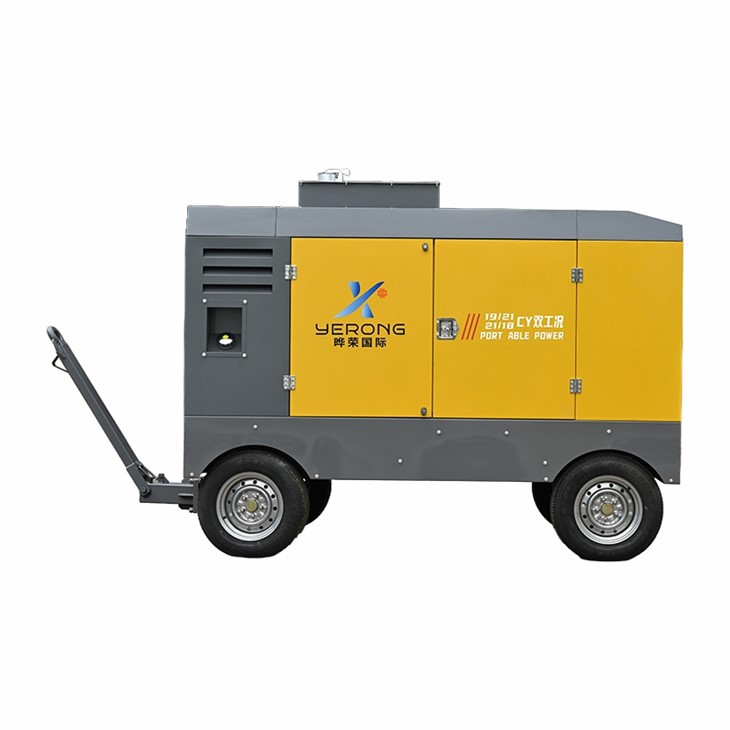
Moving a portable diesel screw compressor requires careful planning and execution to ensure the safety of the equipment and the individuals involved. As a supplier of diesel screw compressors, I understand the importance of proper handling during transportation. In this blog, I'll share some essential steps and tips on how to move a portable diesel screw compressor effectively.
Pre - move Preparation
Inspection
Before moving the compressor, conduct a thorough inspection. Check for any loose parts, leaks, or damage. Inspect the hoses, belts, and electrical connections. Tighten any loose bolts or nuts. This inspection helps identify potential issues that could worsen during the move. For example, a loose hose could come off completely during transit, leading to air or fluid leaks.
Drainage
If the compressor has any fluids such as oil or coolant, it's advisable to drain them partially or completely. This reduces the weight of the compressor and minimizes the risk of spills during transportation. However, make sure to follow the manufacturer's guidelines for proper drainage. Some compressors may require specific procedures to drain the fluids safely.
Disconnecting Accessories
Remove any detachable accessories such as air filters, pressure gauges, and hoses. These items are often fragile and can be easily damaged during the move. Store them in a secure container and label them properly. This way, you can easily reinstall them once the compressor is in its new location.
Securing Loose Components
Use straps or ties to secure any loose components within the compressor. For instance, if there are any loose wires or small parts, tie them down to prevent them from moving around and causing damage. This also helps in keeping the internal structure of the compressor intact during transit.
Choosing the Right Transportation Method
Small Compressors
For smaller portable diesel screw compressors, a pickup truck or a van can be a suitable option. Make sure the vehicle has enough space to accommodate the compressor without overcrowding. Place the compressor on a flat surface and use straps to secure it to the vehicle. This prevents the compressor from shifting during the journey.
Larger Compressors
Larger compressors may require a flatbed trailer. When using a flatbed trailer, ensure that it is properly rated to carry the weight of the compressor. Use heavy - duty straps to secure the compressor to the trailer. It's also a good idea to place padding between the compressor and the trailer to prevent scratches and dents.
Loading the Compressor
Using a Ramp
If possible, use a ramp to load the compressor onto the transportation vehicle. This reduces the risk of injury and damage to the compressor. Make sure the ramp is sturdy and has a proper incline. Roll the compressor slowly up the ramp using its wheels or use a forklift if available.
Forklift Loading
When using a forklift, ensure that the forklift is properly sized for the compressor. The forks should be inserted into the designated lifting points on the compressor. Lift the compressor slowly and steadily, and place it gently on the transportation vehicle.
Securing the Compressor During Transit
Strapping
Use high - quality straps to secure the compressor to the transportation vehicle. Make sure the straps are tight enough to prevent the compressor from moving but not so tight that they damage the compressor. Check the straps periodically during the journey to ensure they remain secure.

Padding
Place padding around the compressor to protect it from bumps and vibrations. Foam padding or rubber mats can be used for this purpose. This helps in reducing the impact of any sudden stops or movements during transit.
Unloading the Compressor
Reverse the Loading Process
Unloading the compressor is essentially the reverse of the loading process. Use a ramp or a forklift to carefully lower the compressor from the transportation vehicle. Make sure the new location is clean, flat, and has enough space for the compressor.
Reinstalling Accessories
Once the compressor is in its new location, reinstall the accessories that you removed earlier. Follow the manufacturer's instructions for proper installation. Check all the connections to ensure they are tight and secure.
Post - move Checks
Inspection
After moving the compressor, conduct another inspection. Check for any signs of damage that may have occurred during the move. Look for leaks, loose parts, or any other issues. If you notice any problems, address them immediately.
Testing
Before putting the compressor back into operation, perform a test run. Check the pressure, temperature, and other operating parameters. This ensures that the compressor is functioning properly and is ready for use.
As a supplier, we offer a wide range of diesel screw compressors, including the Double - condition Screw Compressor Machine, Single - condition Screw Compressor Machine, and Double Tank Screw Compressor Machine. If you are interested in purchasing a diesel screw compressor or need more information about moving and maintaining them, feel free to contact us for a detailed discussion and procurement negotiation.
References
- Compressor Manufacturer's Manuals
- Industry Standards for Compressor Transportation and Handling


