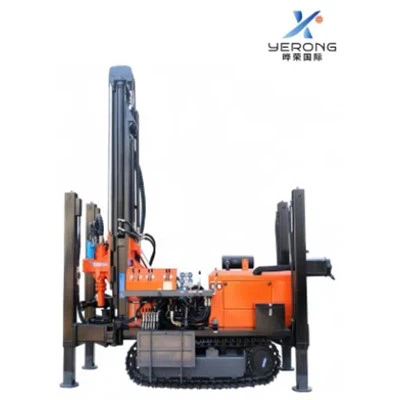
As a core drilling rig supplier, I understand the importance of efficiency in the drilling industry. Whether it's for geological exploration, mining, or construction projects, a high - efficiency core drilling rig can significantly reduce costs and save time. In this blog, I will share some practical tips on how to improve the efficiency of a core drilling rig.


1. Select the Right Core Drilling Rig
The first step to improving efficiency is to choose the appropriate core drilling rig for the specific project. Different types of drilling rigs are designed for different applications. For example, the Deep Hole Core Drilling Rig is suitable for deep - hole drilling projects. It is equipped with advanced hydraulic systems and powerful motors, which can ensure stable and efficient drilling in deep - seated rock formations.
On the other hand, if you are working on a project that requires high - speed drilling in relatively shallow and soft rock layers, the RC Drilling Rig might be a better choice. This type of rig uses air - lift reverse - circulation technology, which can quickly remove cuttings from the borehole, thus improving the drilling speed.
For projects in areas with difficult access or where portability is crucial, the Lightweight Core Drilling Rig is an ideal option. Its compact design and lightweight structure allow for easy transportation and setup, enabling rapid deployment on - site.
2. Optimize Drilling Parameters
Proper selection of drilling parameters is essential for efficient drilling. The main parameters include drilling pressure, rotational speed, and flushing fluid flow rate.
Drilling pressure affects the penetration rate of the drill bit. If the pressure is too low, the drill bit may not be able to break the rock effectively, resulting in slow drilling. Conversely, excessive pressure can cause premature wear of the drill bit and may even damage the drilling rig. Therefore, it is necessary to adjust the drilling pressure according to the rock type and the characteristics of the drill bit.
Rotational speed also plays a crucial role. A higher rotational speed can increase the cutting efficiency of the drill bit, but it may also lead to increased heat generation and wear. The optimal rotational speed depends on the type of rock, the drill bit design, and the drilling method. For hard rock formations, a relatively lower rotational speed combined with higher drilling pressure is often more effective.
The flushing fluid flow rate is important for removing cuttings from the borehole and cooling the drill bit. Insufficient flushing fluid flow can cause cuttings to accumulate in the borehole, increasing the resistance and reducing the drilling efficiency. On the other hand, excessive flow rate may waste resources. Therefore, it is necessary to adjust the flow rate based on the drilling depth, diameter, and the type of rock.
3. Maintain the Drilling Rig Regularly
Regular maintenance is the key to ensuring the long - term efficient operation of the core drilling rig. Here are some important maintenance tasks:
- Lubrication: All moving parts of the drilling rig, such as the drill pipe joints, bearings, and hydraulic cylinders, need to be properly lubricated. Lubrication reduces friction, prevents wear, and extends the service life of the components.
- Inspection of Drill Bits: Drill bits are the most critical components in the drilling process. Regularly inspect the drill bits for wear, damage, and dullness. Replace the drill bits in a timely manner to ensure efficient cutting.
- Hydraulic System Maintenance: The hydraulic system is the power source of the drilling rig. Check the hydraulic oil level, filter, and hoses regularly. Replace the hydraulic oil and filters according to the manufacturer's recommendations to prevent system failures.
- Electrical System Check: Inspect the electrical components, such as motors, switches, and cables, for any signs of damage or malfunction. Ensure that the electrical connections are secure to avoid electrical hazards and equipment failures.
4. Train the Operators
Well - trained operators are essential for the efficient operation of the core drilling rig. Provide comprehensive training to the operators on the following aspects:
- Operation Skills: Teach the operators how to correctly operate the drilling rig, including starting, stopping, adjusting the drilling parameters, and handling emergency situations.
- Safety Knowledge: Emphasize the importance of safety in the drilling process. Train the operators on safety procedures, such as wearing personal protective equipment, following safety regulations, and preventing accidents.
- Maintenance Awareness: Make the operators aware of the importance of regular maintenance. Teach them basic maintenance skills, such as lubrication, inspection, and simple repairs.
5. Use Advanced Drilling Technologies
The drilling industry is constantly evolving, and new technologies are emerging to improve drilling efficiency. Some of the advanced technologies that can be applied to core drilling rigs include:
- Automation and Control Systems: Automation technology can improve the accuracy and efficiency of the drilling process. For example, automated drilling systems can adjust the drilling parameters in real - time based on the feedback from sensors, ensuring optimal drilling performance.
- Remote Monitoring and Diagnosis: Remote monitoring systems allow operators to monitor the operation status of the drilling rig in real - time from a remote location. This enables timely detection of problems and quick response, reducing downtime.
- Advanced Drill Bit Designs: New drill bit designs, such as polycrystalline diamond compact (PDC) drill bits, offer higher cutting efficiency and longer service life compared to traditional drill bits. Using these advanced drill bits can significantly improve the drilling efficiency.
6. Plan the Drilling Project Carefully
A well - planned drilling project can save time and resources. Before starting the drilling operation, conduct a detailed geological survey to understand the rock structure and properties. Based on the survey results, develop a reasonable drilling plan, including the drilling sequence, borehole layout, and expected drilling depth.
In addition, consider the logistics and supply chain management. Ensure that there is a sufficient supply of drill bits, drilling fluids, and other consumables on - site. Plan the transportation and storage of the equipment and materials to minimize delays.
7. Collaborate with Other Stakeholders
In a drilling project, it is often necessary to collaborate with other stakeholders, such as geologists, engineers, and contractors. By working together, you can share information, expertise, and resources, which can improve the overall efficiency of the project.
For example, geologists can provide valuable information about the rock formations, which can help in selecting the appropriate drilling method and parameters. Engineers can assist in the design and optimization of the drilling rig and the drilling process. Contractors can ensure the smooth execution of the project on - site.
Conclusion
Improving the efficiency of a core drilling rig requires a comprehensive approach, including selecting the right rig, optimizing drilling parameters, regular maintenance, training operators, using advanced technologies, careful project planning, and collaboration with other stakeholders. As a core drilling rig supplier, we are committed to providing high - quality products and professional technical support to help our customers achieve higher efficiency in their drilling projects.
If you are interested in our core drilling rigs or have any questions about improving drilling efficiency, please feel free to contact us for procurement discussions. We look forward to working with you to achieve your project goals.
References
- Smith, J. (2018). Drilling Technology Handbook. Elsevier.
- Brown, A. (2019). Core Drilling Techniques for Geological Exploration. Springer.
- Johnson, R. (2020). Maintenance and Operation of Drilling Rigs. McGraw - Hill.